Motion transfer
Kling 3.0 Pro Motion Control
Transfers the movement of a reference video onto you — the dance and motion path.
What it does
Motion transfer — the only model confirmed for dance. character_orientation decides what is anchored and caps duration: 'image' anchors body/clothing on the reference image (max 10s), 'video' anchors on the source (max 30s). Schema is the singular facial element type — multi-ref reference_image_urls is silently ignored. No negative_prompt, no cfg_scale.
What you give it
- Takes
- Video, Image, Text prompt (optional)
- Produces
- video
- Length
- 1–30s
- Reference images
- 1
- Resolutions
- 1080p
- Audio
- keeps the source track
- Category
- Motion transfer
- Price
- 15 cr / 5 s
Required: video, image. Anything else listed above is optional.
Kling 3.0 Pro Motion Control: common questions
What is Kling 3.0 Pro Motion Control best for?
Kling 3.0 Pro Motion Control is a motion transfer model. Take the movement out of one video and put yourself into it. Transfers the movement of a reference video onto you — the dance and motion path. People run it for: dance, motion transfer, choreography.
How much does Kling 3.0 Pro Motion Control cost?
15 credits for a 5 s clip. It bills per second of output at 3 credits a second, so a shorter clip costs proportionally less. Billing stops at 30 seconds, so one run never costs more than 90 credits. Credits are the only unit we quote. One balance covers every model in the catalogue, so there is no subscription attached to Kling 3.0 Pro Motion Control specifically and no minimum spend to use it. See the pricing page for what a credit costs.
What do you need to give Kling 3.0 Pro Motion Control?
It accepts a video, an image and a text prompt. It will not start without a video and an image; everything else is optional. One reference image per run. Resolutions: 1080p.
What do you get back from Kling 3.0 Pro Motion Control, and how long does a run take?
Every run returns one video. A single run gives you up to 30 seconds. Audio carries over from the source rather than being regenerated. Runs are queued and processed in the background, so you can close the tab — the finished file turns up in your library. We do not quote a fixed wall-clock time: it moves with the length of the run and with how busy the queue is.
How does Kling 3.0 Pro Motion Control compare with other motion transfer models?
The catalogue also runs Kling 3.0 Pro Motion Control (standalone) (15 credits for a 5 s clip) and Scail 2 (10 credits for a 5 s clip) for the same job. Kling 3.0 Pro Motion Control (standalone) is our default pick for motion transfer. Scail 2 is the cheaper way to do it, at 10 credits. This page documents a version the storefront no longer lists — Kling 3.0 Pro Motion Control (standalone) has replaced it, and the model here still runs. They all draw on one credit balance, so trying a second one costs nothing beyond the run itself.
What people make with it
A model is a means, not the job. These are the outcomes this one is usually bought for, each with its own walkthrough.
Others that do the same job
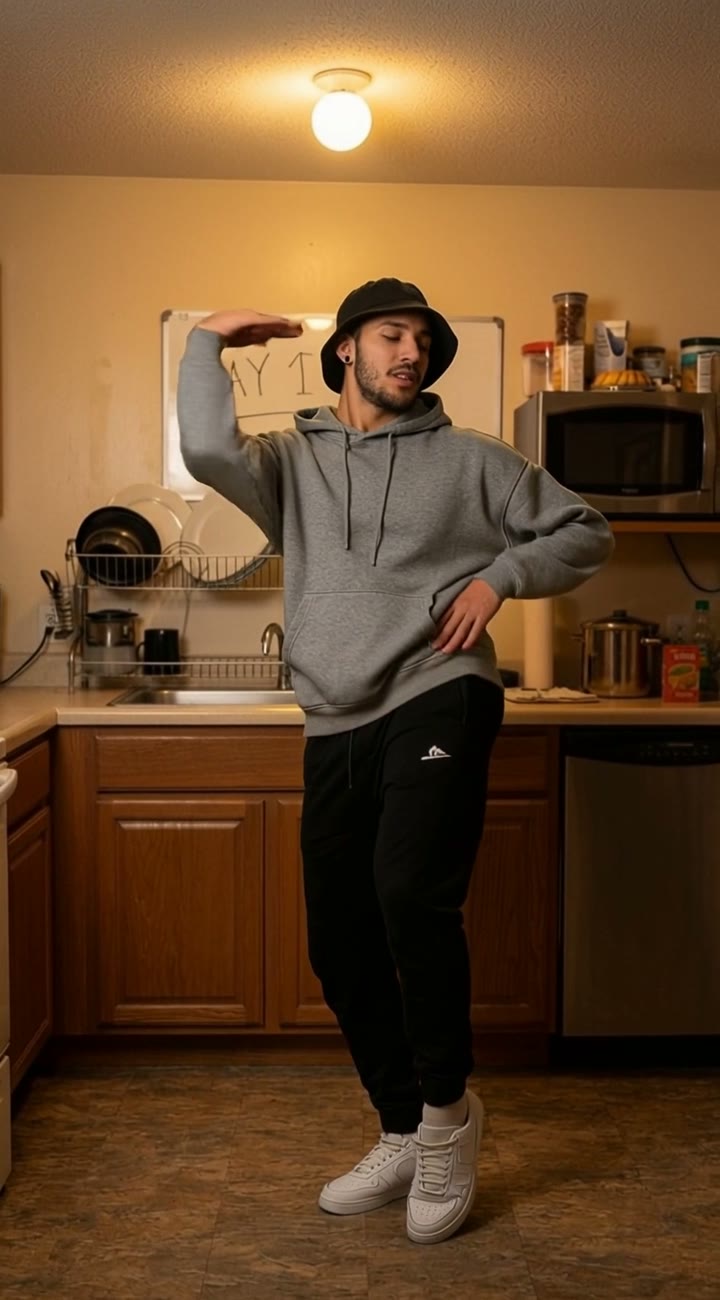
Kling 3.0 Pro Motion Control (standalone)
Motion transfer
Puts you into someone else's movement: upload the clip you want to repeat plus one photo of yourself.
- Price
- from 15 cr / 5 s
- Maximum length
- up to 30s
Scail 2
Motion transfer
Replaces the person in a dance clip with your character, and won a blind compare against the model we run today.
- Price
- from 10 cr / 5 s